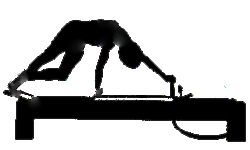
The PF&TC Approach to Pilates
Balanced Spinal Approach We do not emphasise the concept of a neutral spine, as it is impractical for the average human body—a topic that warrants deeper discussion. Instead, our approach respects natural movement patterns while promoting stability, strength, and function.
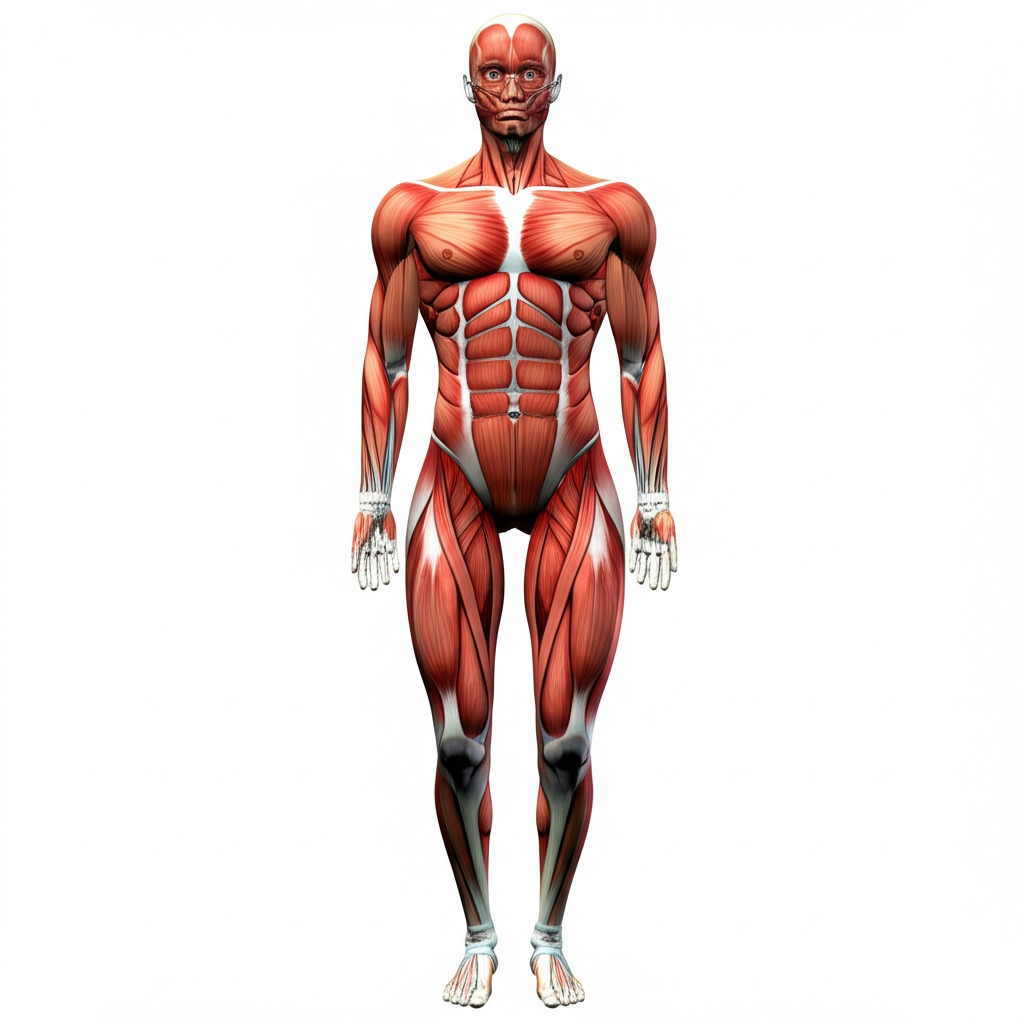
Balanced Spinal Approach
We do not emphasize the concept of a neutral spine, as it is impractical for the average human body—a topic that warrants deeper discussion. Instead, our approach respects natural movement patterns while promoting stability, strength, and function.
Finding the Right Pace in Pilates
Some Pilates styles emphasize speed, marketing it as a low-impact workout for weight loss, flexibility, and toning. However, excessive speed often leads to loss of form, increased compensations, and a higher risk of injury. High-repetition training contradicts Joseph Pilates' original method, as it encourages fatigue, faulty movement patterns, and potential strain.
On the other extreme, some approaches move at an ultra-slow pace, prioritizing precision and perfect execution. While control is essential, this extreme can stifle natural rhythm and efficiency.
At PF&TC, we take a balanced, middle-path approach to Pilates. Just as a guitar string must be neither too tight nor too loose to produce the perfect note, Pilates must balance control and flow.
- Beginners start at a slower pace, receiving only 3–4 cues at a time to avoid cognitive overload, as the conscious mind can only focus on one thing at a time.
- Over time, these movements integrate into the subconscious, allowing students to gradually increase speed until they reach their full potential without compensatory mechanisms kicking in.
- As fatigue sets in during a session, students are encouraged to maintain 100% effort, even if output decreases, ensuring they adapt to challenges rather than resort to compensations.
Breathing and Core Activation
Many Pilates styles emphasize lateral thoracic breathing, where breath expands into the ribs and sides of the body to engage the core without excessive intra-abdominal pressure.While this has benefits, relying exclusively on lateral breathing can:
- Limit deep core activation, as it often neglects proper diaphragmatic engagement.
- Overuse accessory breathing muscles, leading to neck and shoulder tension.
- Tighten the intercostal muscles, reducing rib mobility and leading to stiff costovertebral and sternocostal joints.
- Restrict thoracic spine flexibility, affecting posture and movement efficiency.
A more holistic breathing approach, incorporating both diaphragmatic and lateral expansion, ensures optimal core stability and movement efficiency.
Bridging the Gap Between Rehabilitation and Performance
Some Pilates methods adopt a gentler, rehabilitation-focused approach that prioritizes safety and controlled movement. While this is beneficial in the short term, it can cap a student’s progress, holding them back rather than building them toward a full-body workout.
Joseph Pilates designed his method to transform weak or injured individuals into strong, capable movers. True Pilates is not just about rehabilitation—it is about progressing beyond limitations.
In essence, the PF&TC approach aligns with Gray Cook’s philosophy:
"An athlete needs optimal functional movement and must demonstrate good body control, movement, and awareness in various positions."
Our goal is to develop resilient, adaptable, and functionally strong individuals—whether they are recovering from injury or striving for peak performance.
© Pilates Fitness 2025. All Rights Reserved