Scoliosis
Scoliosis is a sideways, abnormal curvature of the spine. Although the spine bends normally forward at the top end of the spine & bends backwards normally on the tail end of the spine, where the spine curves side ways or laterally from the one side to the other side, either in a “S” or “C” shape formation, you might have scoliosis.
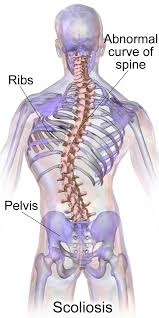
Scoliosis is a sideways, abnormal curvature of the spine. Although the spine bends normally forward at the top end of the spine & bends backwards normally on the tail end of the spine, where the spine curves side ways or laterally from the one side to the other side, either in a “S” or “C” shape formation, you might have scoliosis.
Although the condition is often diagnosed in the first seven years of a child’s life, yet it is mostly picked up during the growth spurt, just before puberty.
Causes
- Neuromuscular conditions:
- Congenital scoliosis:
- Specific genes:
- Leg length:
- Syndromic scoliosis:
- Osteoporosis:
- Neurological abnormalities. The most common cause is a Subluxation. The term "subluxation" was coined up by doctors of chiropractic to depict the altered position of the vertebra, due to
· Genetic
- Other causes:
· A large percent of scoliosis cases have no identifiable cause.
About 3% of adolescents have scoliosis.
Most cases of scoliosis are mild, but some spine deformities continue to get more severe as children grow. Severe scoliosis can be disabling. An especially severe spinal curve can reduce the amount of space within the chest, making it difficult for the lungs to function properly.
Scoliosis usually becomes apparent from infancy or adolescence. The symptoms differ depending on the person’s age.
Symptoms in Infants
In infants, symptoms can include:
- a bulge on one side of the chest
- consistently lying with the body curved to one side
- in severe cases, problems with the heart and lungs, leading to shortness of breath and chest pain
If an infant does not receive treatment for scoliosis, they will be more at risk of problems later in life, such as impaired heart and lung function.
Symptoms in Adolescents
- the head may appear a bit off center
- the ribs on each side may be slightly different heights
- one hip may be more prominent than the other
- the clothes may not hang evenly
- one shoulder or shoulder blade may be higher than the other
- the person may lean to one side
- the legs may be slightly different lengths
Symptoms in Adults
Scoliosis can sometimes be associated with headaches, neck pain, back pain, and hip, knee, or leg pain. Radicular (nerve) pain is also more common in people with scoliosis. Scoliosis can contribute to problems with breathing or sleeping. Some patients with scoliosis may experience problems with digestion. It may also be associated with irregularities in the menstrual cycles of females.
Treatement
Factors that are considered when deciding on treatment options:
- Sex:
- Severity of the curve:
- Curve position:
- Bone maturity:
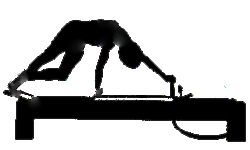
Children who have mild scoliosis, are monitored closely, In many cases, no treatment is necessary except Pilates should be the number one consideration.
With a curve of 10 to 25 degrees, a doctor will usually have regular check-ups, usually with X-rays, to see if the curve is getting worse & the condition is changing.
For a 25 to 40 degree curve, a doctor may recommend the child to wear a brace.
Casting
In infantile scoliosis, a doctor may use plaster casting instead of bracing to help the infant’s spine grow into a typical position. The cast attaches to the outside of the infant’s body, and they will wear it at all times. As most infants grow rapidly, the doctor will need to change the cast regularly.
Bracing
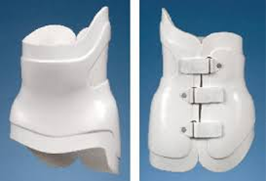
If a person has moderate scoliosis, and the bones are still growing, the doctor may recommend a brace. The brace will prevent further curvature, but it will not cure or reverse scoliosis.
The person will usually need to wear the brace all the time, even at night. Its effectiveness tends to correlate with:
· the number of hours per day that the person wears the brace.
· The biggest impact is if the scoliotic individual uses the brace as a guide to hold a good posture, which in turn builds muscles tone which realigns the bones, or whether the child relaxes in the brace & hopes the brace would do all the work for them.
The brace does not generally restrict what the person can do. If they wish to take part in physical activity, they can take the brace off.
When the bones stop growing, a brace is no longer necessary.
There are two types of brace: Thoracolumbosacral orthosis (TLSO) & the Milwaukee brace
Chiropractic treatment
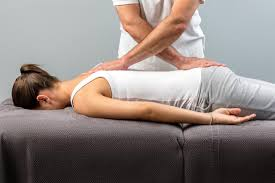
Some people visit a chiropractor to relieve the pain and discomfort of scoliosis.
Chiropractors manipulate the spine and provide alternative treatments. They maintain that realigning the spine will promote healing and well-being.
Chiropractic treatment may improve the quality of life for a person with scoliosis. However, it is not a cure as it does not resolve the curvature of the spine. Research has not proven that chiropractic manipulations have benefits for scoliosis.
Exercises
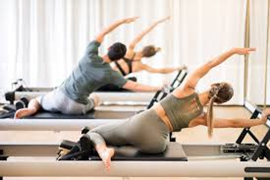
Various exercises may help with scoliosis, and experts propose a range of strategies. However, they all aim to realign the spine, rib cage, shoulders, and pelvis to achieve a typical posture.
The authors of a 2016 study stated that there is growing evidence to suggest that exercises can help treat scoliosis..
Children should avoid sports that jar the back, such as horse riding and contact sports, for a year. In some cases, they may need to wear a back brace for about 6 months to support the spine.
Why is Pilates so very effectual in Scoliosis
The core of Pilates teaches the Scoliotic individual the appropriate optimal functional movement & empowers such individual to demonstrate good body control, movement & awareness through out numerous position. In my Career, I have seen an incredible difference in & improved quality of life of scoliotic individuals, even to the extent that one of my clients when given a dead line that if there was no improvement in the angles of the spine with in 6 months, she would have to resort to Harrington rods. 3 years later, her spine had healed between 80-90% straight. Pilates stretches out the muscles that are too tight & short, strengthens & incorporates lazy & lack of tone muscles & lastly teachers the whole body muscle system how to work as a team ie Biomechanically, efficiency.
Surgery
In severe cases where the scoliosis can progress further & become worse over time If the curve becomes greater than 25 to 40 degree, and the skeleton is still immature, a doctor may recommend surgery to keep the scoliosis from worsening and to straighten severe cases of scoliosis. In such severe cases, a doctor may recommend either a:
· spinal fusion.
· The implantation of metal rods (Harrington rods), hooks, screws, or wires to hold a part of the spine straight while the bone heals.
· Or lastly the use of bone grafts to help the bone heal.
This surgery reduces the curvature of the spine and prevents scoliosis from getting worse.
Lifestyle changes
If your body moves towards an acidic state then this increases inflammation in the body, which moves us toward pain. This includes the Likes of:
1) foods that we eat and the things we drink have a tremendous effect on our body chemistry.
a. The things that we eat either bring our body towards an alkaline state (healthy) or an acidic state (unhealthy). Foods that move the body into an acidic state is anything which induces an increase in blood sugar, be it either directly from the consumption of refined sugars of sweets & cold drinks or too much refined flour, or indirectly from the beverages that contain caffeine (coffee, certain teas, Red bull etc) that will increase the Cortisol & adrenalin secretion.
b. Foods that the body has an allergic response too (Likes of Gluten, or blood tests that measure the Immunoglobulin-G reaction to everyday foods are measured to be high like the dischem Food allergy test) which we still continually consume, creates an inflammatory response in the bowel which in turn creates an over acidic body with cortisol and adrenalin consequently secreted.
2) Stress: Fears anxieties, angers, any of the negative emotions which activate the Fight & flight response, in turn again stimulates the secretion of Cortisol & adrenalin. Therefore stress management techniques need to be sort….very very important!!
The Cortisol, released into the body, raises the blood sugar levels which makes the body more acidic, thereby increasing inflammation & making the scoliotic patient more sensitive to pain. The adrenaline induces muscle contraction in the body. In the scoliotic body, the side of the scoliosis where the muscles are shorter will induce a greater contraction compared to the muscles on the longer stretched muscles on the opposite side & this discrepancy aggravates the scoliosis.
In conclusion, The above material is to illustrate that there is a recipe to create or aggravate scoliosis, & there are ways to avoid the surgical last resort means to alleviating Scoliosis. It depends on the scoliosis patient whether they want to learn how to fish (learn to undo the recipe that’s aggravating the scoliosis) or whether they prefer being the victim and expect “Manna from heaven.”
© Pilates Fitness 2025. All Rights Reserved