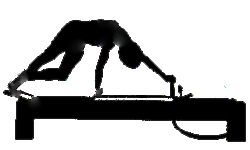
Pilates in the treatment of Osteoporosis
Pilates, when appropriately modified, can be beneficial for osteoporosis by strengthening muscles, improving flexibility, and enhancing balance.
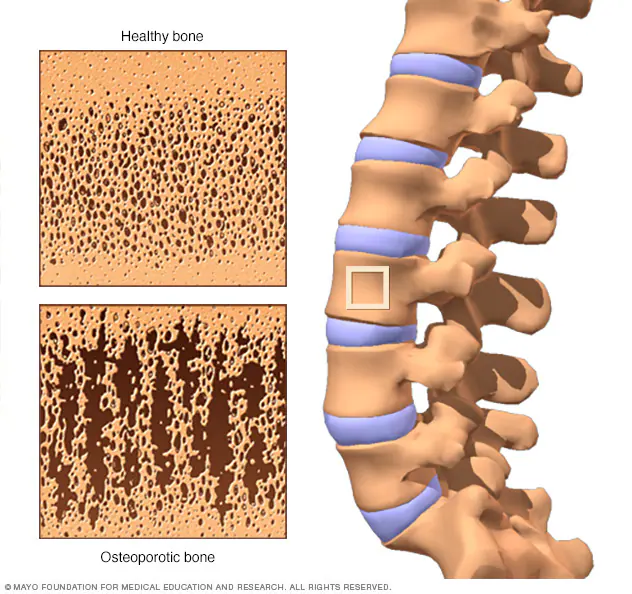
Osteoporosis causes bones to become thin, weak, and fragile, primarily affecting older individuals, especially postmenopausal women. Several risk factors contribute to its development, including age, gender, family history, small body frame, lack of physical activity, poor nutrition (low calcium and vitamin D), certain medications, smoking, excessive alcohol, and hormonal changes (low estrogen, testosterone, calcitonin, and parathyroid hormone levels).
Pilates, when appropriately modified, can be beneficial for osteoporosis by strengthening muscles, improving flexibility, and enhancing balance. Weight-bearing exercises like walking, jogging, and lifting weights stimulate bone remodeling, increasing bone density over time. However, caution is necessary to avoid excessive strain on fragile bones. Consulting a healthcare provider before starting an exercise regimen is essential for safety and effectiveness.
Estrogen & Osteoporosis
Estrogen plays a crucial role in bone growth and maintenance by regulating osteoblast activity, which helps maintain bone density. In postmenopausal women, declining estrogen levels lead to decreased bone density and a higher risk of osteoporosis. While hormone replacement therapy (HRT) can help, it carries risks and should be discussed with a healthcare provider.
Beyond its physical effects, hormonal imbalances—including estrogen, testosterone, and thyroid hormones—are linked to mood changes such as anger, anxiety, and depression. However, little research explores whether emotional stress and unresolved issues contribute to hormonal imbalances rather than the other way around.
Many individuals with osteoporosis or hormonal issues experience emotional distress due to personal, familial, or societal pressures. This raises the question: does the subconscious mind play a role in these imbalances? The unconscious mind influences behaviors, emotions, and even physical health, potentially shaping hormonal responses. Techniques like meditation, hypnosis, and psychoanalysis may help access and resolve hidden conflicts.
Ultimately, self-discipline, self-worth, and the ability to set boundaries may be crucial in maintaining both emotional and physical health.
Progesterone, Thyroid Hormone & Cortisol & Osteoporosis
Bone density is influenced by various hormones that regulate osteoblast (bone-building) and osteoclast (bone-breaking) activity.
- Progesterone
- Thyroid hormones
- Cortisol
Given today’s high-stress environment, managing cortisol levels is key to maintaining hormonal balance and bone health.
Testosterone & Osteoporosis
Testosterone, produced in men by the testicles and in women by the ovaries and adrenal glands, plays a crucial role in maintaining bone density. It promotes bone remodeling by stimulating bone formation and inhibiting bone breakdown. Low testosterone levels can lead to reduced bone mass, increased body fat, and muscle loss, all of which contribute to osteoporosis risk.
Testosterone levels fluctuate due to factors like age, diet, exercise, stress, and medication. Engaging in competition, sexual activity, and goal-driven behavior boosts testosterone, while high cortisol levels, chronic stress, and certain exercises can suppress it. A study found that individuals with high testosterone and low cortisol eagerly sought rematches after losing, whereas those with high testosterone and high cortisol declined, showing how stress interpretation affects hormone balance.
Pilates, requiring control, concentration, and precision, can enhance confidence, assertiveness, and overall well-being—potentially supporting healthy testosterone levels and bone strength.
Pilates a remedy for Osteoporosis
Pilates is an excellent approach to tackling osteoporosis and osteopenia because it enhances bone health through weight-bearing exercises, muscle strengthening, and improved body mechanics. Here’s how it helps:
1. Bone Density & Weight-Bearing Movement
Pilates includes controlled, low-impact, weight-bearing exercises that stimulate bone remodeling. Movements such as standing leg work, push-ups, and controlled resistance exercises on the reformer, Wunda chair, and Cadillac encourage bone growth by applying stress to the bones, prompting them to adapt and strengthen.
2. Muscle Strengthening for Bone Support
Strong muscles support the skeletal system, reducing the load on bones and lowering fracture risk. Pilates strengthens key muscle groups, particularly the core, glutes, and back muscles, which help maintain good posture and prevent excessive spinal compression—a major risk for osteoporotic fractures.
3. Balance & Fall Prevention
Falls are a major concern for individuals with osteoporosis. Pilates enhances proprioception, balance, and coordination, reducing the likelihood of falls. Exercises like single-leg balance work, standing footwork, and controlled step-ups on the Wunda chair train the nervous system to react quickly and maintain stability.
4. Postural Alignment & Spinal Health
Poor posture and spinal misalignment can increase the risk of vertebral fractures. Pilates promotes proper spinal alignment, core control, and postural awareness, helping individuals avoid excessive spinal flexion, which can be dangerous for those with osteoporosis.
5. Hormonal & Stress Regulation
Stress and high cortisol levels negatively impact bone density. Pilates’ emphasis on controlled breathing and mindful movement helps regulate stress, lowering cortisol levels and supporting a healthier hormonal balance, including testosterone and progesterone, which play a role in bone metabolism.
6. Customization for Safety & Progression
Pilates can be modified for all levels and conditions. High-risk movements like flexion-based abdominal exercises (which can increase spinal fracture risk) can be replaced with safer neutral spine or extension-based movements. Resistance can be progressively increased using springs on the reformer and chair, ensuring safe, gradual bone-strengthening adaptations.
7. Long-Term Functional Strength
Pilates trains functional movement patterns, improving everyday activities like bending, lifting, and walking—helping individuals with osteoporosis move safely, maintain independence, and reduce the risk of fractures in daily life.
By incorporating Pilates into an osteoporosis prevention or management plan, individuals can strengthen bones, improve posture, enhance balance, and regulate stress, making it an essential component of long-term skeletal health.
© Pilates Fitness 2025. All Rights Reserved