Pilates and Arthritis
Discover how Pilates can benefit individuals with arthritis. Learn about its low-impact nature, muscle-strengthening effects, and ability to improve flexibility, posture, and mind-body connection. Find out why Pilates is an adaptable and valuable exercise for arthritis management.
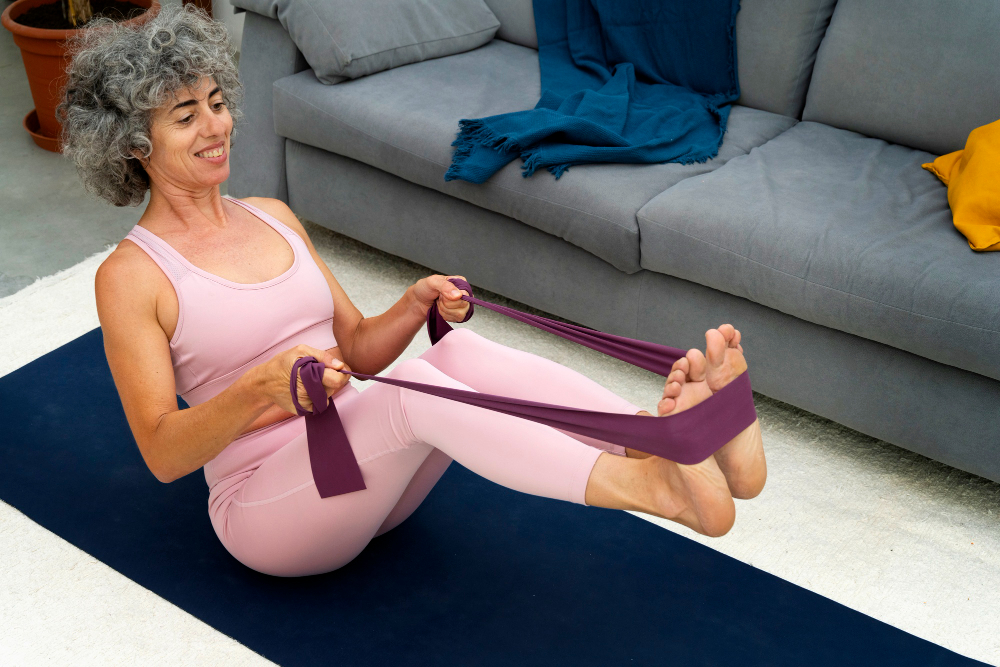
Pilates can be beneficial in so many ways:
Low-Impact Exercise: Pilates consists of low-impact exercises that are gentle on the joints, making it suitable for people with arthritis. The controlled movements help improve joint flexibility and mobility without putting excessive stress on the body, which can be especially beneficial for individuals with arthritis, as they may have limitations in their range of motion.
Strengthens Muscles: Pilates focuses on strengthening core muscles, as well as other muscle groups throughout the body. By building muscle strength, it can help support and stabilize the joints affected by arthritis, reducing pain and improving overall joint function. Stronger muscles also help alleviate stress on the joints, which can be particularly helpful for individuals with arthritis due to low cortisol levels, as cortisol plays a role in regulating inflammation and stress responses in the body.
Improves Posture and Alignment: Proper posture and alignment are crucial for individuals with arthritis to prevent further joint damage and reduce pain. Pilates exercises emphasize body awareness and alignment, helping individuals develop better posture habits and align their bodies correctly to reduce strain on the joints.
Increases Flexibility: Arthritis can cause stiffness in the joints, leading to decreased flexibility and range of motion. Pilates incorporates stretching exercises that target muscles and connective tissues, helping to improve flexibility and joint mobility. This increased flexibility can alleviate stiffness and discomfort associated with arthritis, making movement easier and more comfortable.
Promotes Mind-Body Connection: Pilates is not just about physical exercise; it also emphasizes mental focus and concentration. By engaging both the body and mind, Pilates can help individuals with arthritis develop better body awareness and mindfulness, which can be beneficial for managing pain and stress associated with the condition.
Adaptability: Pilates exercises can be modified to suit individual needs and limitations, making it accessible for people with varying degrees of arthritis severity. A qualified Pilates instructor can tailor the exercises to accommodate specific joint issues or mobility restrictions, ensuring a safe and effective workout for individuals with arthritis.
Overall, Pilates can be a valuable component of a comprehensive arthritis management plan for individuals with low cortisol levels. It offers a gentle yet effective way to improve joint health, strength, flexibility, and overall well-being, while also providing opportunities for relaxation and stress relief. However, it's essential for individuals with arthritis to consult with their healthcare provider before starting any new exercise program, including Pilates, to ensure it's appropriate for their condition and individual needs.
© Pilates Fitness 2025. All Rights Reserved