
Explaining Increased Dynamic Firing of Muscle Spindles During Sad Musi
Muscle spindles are sensory receptors within muscles that detect changes in muscle length and movement.
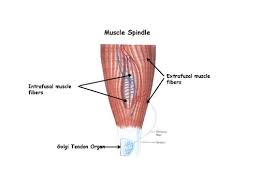
Muscle spindles are sensory receptors within muscles that detect changes in muscle length and movement. They send signals to the central nervous system to help regulate movement, balance, and posture. Their activity is influenced by a system called the fusimotor system, which adjusts spindle sensitivity based on context, such as movement demands or emotional states.
The study found that during sad music, muscle spindle afferents showed increased dynamic firing, especially during the lengthening (eccentric) phase of movement.
- Dynamic Firing vs. Static Firing in Muscle Spindles
- Increased Firing During Muscle Lengthening (Eccentric Phase)
What Does This Mean in Practical Terms?
- Perception of Heaviness or Fatigue in Movements
- Slower, Less Efficient Movements
- Emotional Influence on Posture and Balance
- Athletic and Daily Performance Changes
Why Does This Happen?
The nervous system adapts to emotional states to prepare the body for behaviorally appropriate responses:
- Sadness is linked to withdrawal behaviors
- The brain might be
- This could explain why sadness
Final Takeaway
The study suggests that emotions directly impact how our muscles and nervous system interact. Sadness increases the sensitivity of muscle spindles during stretching movements, which can make movements feel heavier, slower, or more effortful. This highlights the deep connection between emotions, movement, and physical sensations, reinforcing the idea that our mental state shapes our physical experience of the world.
© Pilates Fitness 2025. All Rights Reserved